🔧
Pipe Rescue
Loading...
Please wait while we prepare your page...
Loading...
Please wait while we prepare your page...
🚨 24/7 Emergency Plumbing Assistance

Learn how hydro jetting works, when it is recommended, its benefits, costs, and how it helps clear stubborn drain and sewer line blockages in Houston.
Hydro jetting is one of the most advanced and effective methods for cleaning residential and commercial drain lines. Instead of simply pushing through a blockage, hydro jetting uses highly pressurized water to thoroughly clean the entire inside surface of plumbing pipes. This process removes grease, sludge, soap scum, food particles, mineral deposits, and years of accumulated debris that can restrict water flow.
For many Houston homeowners, recurring drain clogs are caused by grease buildup, aging sewer lines, hard water deposits, and invasive tree roots. While temporary drain cleaning methods may provide short-term relief, hydro jetting is designed to address the underlying buildup inside the pipe, helping restore proper drainage and reducing the likelihood of future blockages.
Hydro jetting is commonly used for residential homes, apartment complexes, restaurants, office buildings, retail spaces, and industrial facilities. Because every plumbing system is different, professional plumbers usually perform a camera inspection before recommending hydro jetting to ensure the pipes are suitable for high-pressure cleaning.
This guide explains everything Houston property owners should know about hydro jetting, including how the process works, its benefits, when it should be used, situations where it may not be appropriate, expected costs, maintenance tips, and answers to frequently asked questions.
Hydro jetting is a professional plumbing technique that uses high-pressure water to remove stubborn blockages and thoroughly clean drain and sewer pipes. Unlike traditional drain snakes that typically create only a narrow passage through a clog, hydro jetting cleans the full diameter of the pipe by washing away debris attached to the pipe walls.
A specialized hose fitted with a multi-directional nozzle is inserted into the plumbing system. Water is then pumped through the nozzle at extremely high pressure, producing powerful streams that cut through grease, sludge, soap residue, food waste, mineral scale, and many other types of buildup.
Professional hydro jetting equipment is significantly more powerful than consumer drain cleaning tools. The pressure used is carefully controlled by trained technicians based on the condition, size, and material of the plumbing system.
When performed correctly, hydro jetting restores water flow, improves drainage performance, and helps reduce recurring plumbing issues by removing debris instead of simply pushing it farther into the system.
The hydro jetting process normally begins with a sewer camera inspection. This allows the plumber to determine the exact location of the blockage, identify what is causing the obstruction, and inspect the overall condition of the pipe before high-pressure cleaning begins.
Once the inspection is complete, a flexible hose equipped with a specially designed nozzle is inserted into the drain or sewer line. Water is pumped through the hose under extremely high pressure, creating powerful jets that spray in multiple directions.
Forward-facing jets help break apart heavy blockages, while rear-facing jets propel the hose through the pipe and simultaneously scrub the pipe walls. This dual-action cleaning removes years of accumulated grease, sludge, soap residue, mineral deposits, food waste, and other debris.
Unlike drain snaking, which often leaves residue behind, hydro jetting cleans the entire interior surface of the pipe, helping restore near-original flow capacity and reducing the chance of recurring clogs.
Many plumbing problems begin with gradual buildup rather than a sudden blockage. Understanding these common causes helps explain why hydro jetting is often recommended for recurring drain issues.
Grease and cooking oil are among the leading causes of clogged kitchen drains. Although grease may appear liquid when poured down the sink, it cools inside the pipes and gradually hardens, trapping food particles and reducing water flow.
Soap residue, hair, mineral deposits from hard water, paper products, food waste, coffee grounds, and cleaning products can also accumulate over time. Each layer makes the pipe narrower, increasing the likelihood of slow drains and complete blockages.
Tree roots frequently invade older underground sewer lines through tiny cracks or loose joints. Once inside the pipe, roots continue growing toward moisture, eventually causing severe blockages and drainage problems.
Recurring drain clogs are one of the clearest signs that debris continues to build up inside the plumbing system. If the same sink, shower, or toilet repeatedly develops drainage problems, the blockage may extend much deeper into the drain line.
Multiple slow drains throughout the home often indicate a main sewer line restriction instead of an isolated fixture problem. Hydro jetting is frequently considered after an inspection identifies widespread buildup.
Persistent foul odors coming from drains may result from grease, food waste, sludge, or organic material trapped inside the plumbing system. Removing the buildup often helps eliminate unpleasant smells.
Other warning signs include gurgling noises, standing water, sewer backups, overflowing floor drains, and water draining much slower than normal.
Hydro jetting provides a deeper and more complete cleaning than many conventional drain cleaning methods. Instead of creating a small opening through a clog, it cleans the entire inside surface of the pipe.
Because the process removes grease, sludge, soap residue, mineral scale, and other buildup, it helps reduce recurring plumbing problems and improves long-term drainage performance.
Hydro jetting also reduces unpleasant odors caused by decaying organic material inside drain lines. Cleaner pipes generally allow wastewater to flow more efficiently throughout the plumbing system.
For restaurants, commercial kitchens, apartment buildings, and high-usage properties in Houston, periodic hydro jetting can serve as preventive maintenance that helps avoid costly emergency plumbing repairs.
Hydro jetting and drain snaking are both effective plumbing solutions, but they are designed for different situations. A drain snake is typically used to break through or pull out a blockage so water can flow again. While this often solves the immediate problem, it usually leaves grease, sludge, and mineral deposits attached to the pipe walls.
Hydro jetting provides a much more comprehensive cleaning. Instead of creating a narrow path through the clog, high-pressure water cleans the entire interior of the pipe, removing years of accumulated buildup and restoring much of the pipe's original carrying capacity.
Drain snaking is often the preferred option for small, isolated clogs, while hydro jetting is commonly recommended for recurring blockages, heavy grease accumulation, sewer line maintenance, and commercial plumbing systems that experience continuous use.
Many plumbing professionals use both methods together. A drain snake may first remove a severe obstruction, followed by hydro jetting to completely clean the remaining buildup from the pipe walls.
Hydro jetting is generally safe for plumbing systems that are structurally sound. Before beginning the cleaning process, experienced plumbers often perform a sewer camera inspection to evaluate the condition of the pipes and determine whether hydro jetting is appropriate.
Older pipes that have significant corrosion, major cracks, collapsed sections, or weakened joints may not be suitable for high-pressure cleaning. In these situations, repairs or pipe replacement may be recommended before any cleaning takes place.
PVC, cast iron, copper, and many modern plumbing materials can often be cleaned safely when the correct water pressure is selected. Professional equipment allows technicians to adjust the pressure based on the pipe material, diameter, and condition.
Attempting high-pressure drain cleaning without proper training or inspection can increase the risk of damaging already weakened plumbing systems, which is why hydro jetting should only be performed by qualified professionals.
Hydro jetting is widely used in both residential and commercial plumbing systems, although the reasons for cleaning often differ.
Homeowners typically require hydro jetting because of recurring kitchen drain clogs, slow bathroom drains, tree root intrusion, or buildup inside the main sewer line. Cleaning these pipes helps improve drainage throughout the property.
Commercial buildings—including restaurants, hotels, apartment complexes, office buildings, hospitals, schools, and retail centers—often experience much heavier drain usage. Grease, food waste, soap residue, and continuous wastewater flow can cause rapid buildup inside commercial drain lines.
Many businesses schedule routine hydro jetting as preventive maintenance to reduce unexpected plumbing emergencies, minimize downtime, and extend the service life of their drain systems.
Tree roots are a common cause of sewer line blockages, especially in older neighborhoods throughout Houston. Small cracks, loose joints, and aging sewer pipes allow roots to enter in search of moisture.
Hydro jetting can cut through many small root intrusions and flush loose root material from the sewer line. This often restores water flow and delays more serious plumbing issues.
However, hydro jetting cannot permanently stop root growth if the pipe itself remains damaged. Roots may eventually return through the same opening unless the damaged section is repaired or replaced.
A sewer camera inspection is usually recommended after root removal to determine whether additional repair work is necessary.
The cost of hydro jetting in Houston depends on several factors, including the location of the blockage, pipe diameter, total pipe length, accessibility, and the severity of the buildup inside the plumbing system.
Residential drain cleaning generally costs less than cleaning large commercial sewer systems because commercial properties often require more time, specialized equipment, and longer cleaning distances.
Additional services such as sewer camera inspections, root removal, drain repairs, or emergency service requests may also affect the total project cost.
Rather than focusing only on the initial price, many property owners consider hydro jetting a long-term investment because thoroughly cleaned pipes often reduce recurring plumbing repairs and future maintenance expenses.
Although hydro jetting is extremely effective, it is not the right solution for every plumbing problem.
Pipes with severe corrosion, collapsed sections, major structural damage, or extensive joint failures may require repair or replacement instead of high-pressure cleaning.
If a blockage is caused by a foreign object lodged inside the pipe, hydro jetting alone may not safely remove it. Mechanical extraction or pipe repair could be necessary depending on the situation.
A professional inspection helps determine the safest and most effective solution for each plumbing system before any cleaning begins.
Although hydro jetting thoroughly cleans plumbing pipes, good maintenance habits help keep drains flowing efficiently for a longer period. Preventing buildup is often easier and less expensive than dealing with emergency plumbing repairs.
Avoid pouring cooking grease, fats, or oils down kitchen drains. As these materials cool, they solidify inside the pipe and collect food particles, eventually forming stubborn blockages.
Install drain strainers in sinks, showers, and bathtubs to catch hair, soap residue, and food debris before they enter the plumbing system. Cleaning these strainers regularly can significantly reduce the risk of clogs.
Only flush toilet paper and human waste down toilets. Items such as wipes, paper towels, feminine hygiene products, cotton swabs, and other household products can create serious sewer line blockages.
Scheduling periodic plumbing inspections and professional drain cleaning helps identify developing issues before they become expensive plumbing emergencies.
Every plumbing system has different maintenance requirements depending on property age, household size, and daily water usage. Homes with frequent drain problems may benefit from scheduled inspections.
Restaurants, hotels, apartment buildings, and commercial kitchens often require preventive hydro jetting because grease and food waste accumulate much faster than in typical residential plumbing systems.
Property owners should pay attention to slow drains, unpleasant odors, gurgling sounds, or repeated drain backups. Addressing these warning signs early can help prevent major sewer line problems.
Working with a qualified plumbing professional allows maintenance schedules to be customized according to the property's plumbing condition and usage.
Houston's combination of older neighborhoods, mature trees, expanding residential developments, and heavy rainfall creates unique plumbing challenges for many property owners.
Tree root intrusion remains one of the leading causes of sewer line blockages throughout many parts of Houston. Combined with grease accumulation and mineral buildup, these conditions often result in recurring drain problems.
Commercial properties such as restaurants and food service businesses frequently experience grease-related blockages that require more thorough cleaning than traditional drain snaking can provide.
Hydro jetting helps restore pipe capacity by removing accumulated debris throughout the entire drain line, making it an effective maintenance option for many Houston homes and businesses.
Occasional slow drainage may not always require hydro jetting. However, recurring clogs, multiple blocked fixtures, sewer odors, or repeated backups usually indicate a larger plumbing issue that should be professionally evaluated.
Attempting to solve serious drain problems using chemical drain cleaners can sometimes damage plumbing components or temporarily mask a larger issue without removing the underlying blockage.
Professional plumbers have specialized diagnostic equipment, including sewer inspection cameras, that allows them to accurately determine the cause of the blockage before recommending the appropriate cleaning method.
Early diagnosis and preventive maintenance often reduce repair costs while helping homeowners avoid unexpected plumbing emergencies.
Hydro jetting is one of the most comprehensive drain cleaning methods available for residential and commercial plumbing systems. By cleaning the entire interior of the pipe instead of simply creating an opening through a blockage, it provides longer-lasting results for many plumbing problems.
Whether dealing with grease buildup, sludge accumulation, recurring drain clogs, or minor tree root intrusion, hydro jetting can significantly improve drainage performance when recommended after a professional inspection.
Every plumbing system is different, so the best solution depends on the condition of the pipes, the type of blockage, and the overall health of the drainage system. Consulting an experienced plumbing professional ensures the safest and most effective approach.
Recurring drain clogs, sewer backups, slow drains, or foul odors may indicate buildup deep inside your plumbing system. A professional inspection can determine whether hydro jetting is the right solution for restoring proper flow and preventing future blockages.
📞 +18773640861Hydro jetting is a professional drain cleaning method that uses high-pressure water to remove grease, sludge, debris, and buildup from plumbing pipes.
Hydro jetting cleans the entire interior of the pipe, while drain snaking usually creates only an opening through the blockage. The best choice depends on the specific plumbing problem.
It can be safe when the plumbing system is inspected beforehand. Damaged or weakened pipes may require repairs before high-pressure cleaning.
Hydro jetting can remove many small root intrusions, but severely damaged sewer lines may also require repair or replacement.
Most residential hydro jetting services are completed within a few hours, although larger commercial systems may require additional time.
The ideal schedule depends on the property's plumbing condition, usage patterns, and history of recurring drain problems.
No. Hydro jetting relies on highly pressurized water rather than chemical drain cleaners.
Yes. Hydro jetting is one of the most effective methods for removing grease, sludge, soap residue, and other buildup from drain pipes.
Not always. Minor clogs may only require simple cleaning, while recurring blockages often benefit from hydro jetting after a professional inspection.
Regular professional drain maintenance can reduce buildup, improve drainage performance, and lower the likelihood of recurring blockages.
Continue Reading
Explore more plumbing guides, maintenance tips, and emergency plumbing resources for Houston homeowners and businesses.
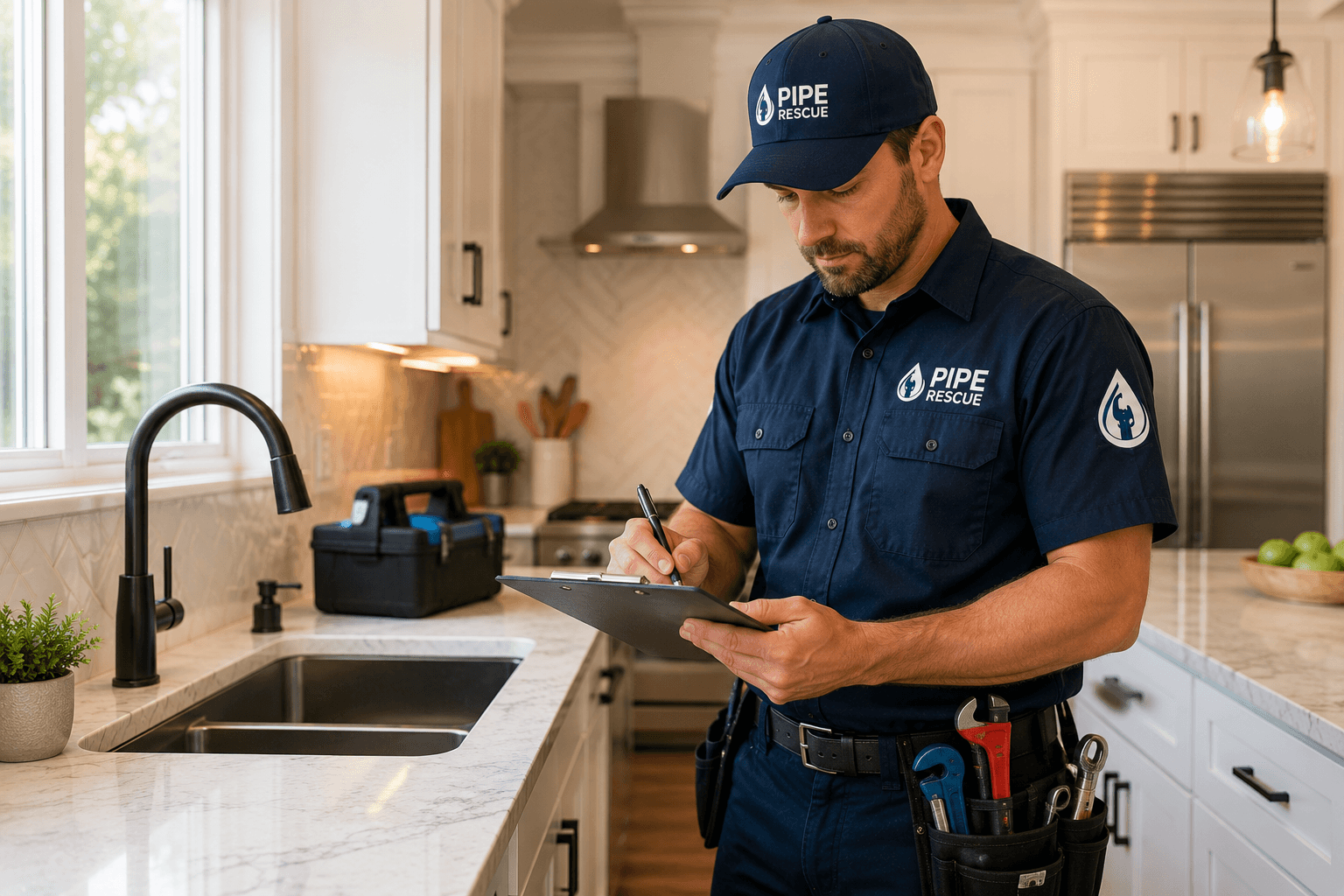
Learn how to choose a licensed emergency plumber in Houston, what to look for before calling, and how to avoid costly plumbing mistakes.
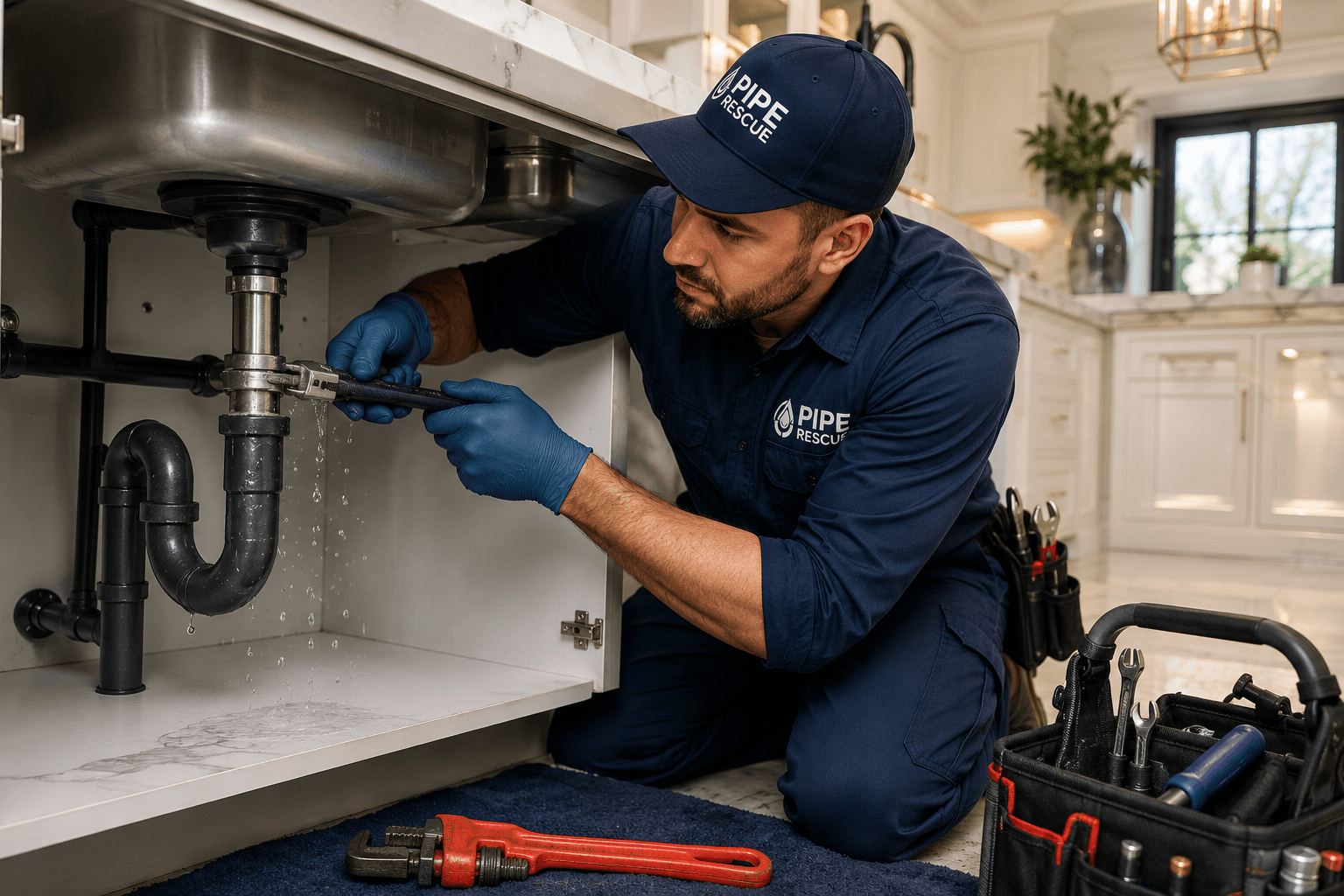
Practical steps to minimize water damage while waiting for a 24-hour emergency plumber in Houston.
Average drain cleaning costs, factors affecting pricing, and when professional service is recommended.

Pipe Rescue helps homeowners and businesses connect with independent plumbing service providers for emergency plumbing, drain cleaning, leak detection, sewer line repair, water heater services and other plumbing needs throughout the Houston area.
Pipe Rescue is an informational website that helps users connect with independent plumbing service providers. Service availability may vary by location.
Plumbing assistance requests can be submitted 24 hours a day.
Residential and commercial plumbing service requests throughout Houston.
Helping customers connect with plumbing providers across Houston and nearby communities.